The Complete Beginner's Guide to Marathon Running: From Zero to Finish Line
KorMarathon EditorsPublished
Whether you just laced up your first pair of running shoes or you've been jogging casually for a while, this guide will walk you through everything you need to know to train smart, stay injury-free, and cross your first finish line with confidence.
Why Run a Marathon?
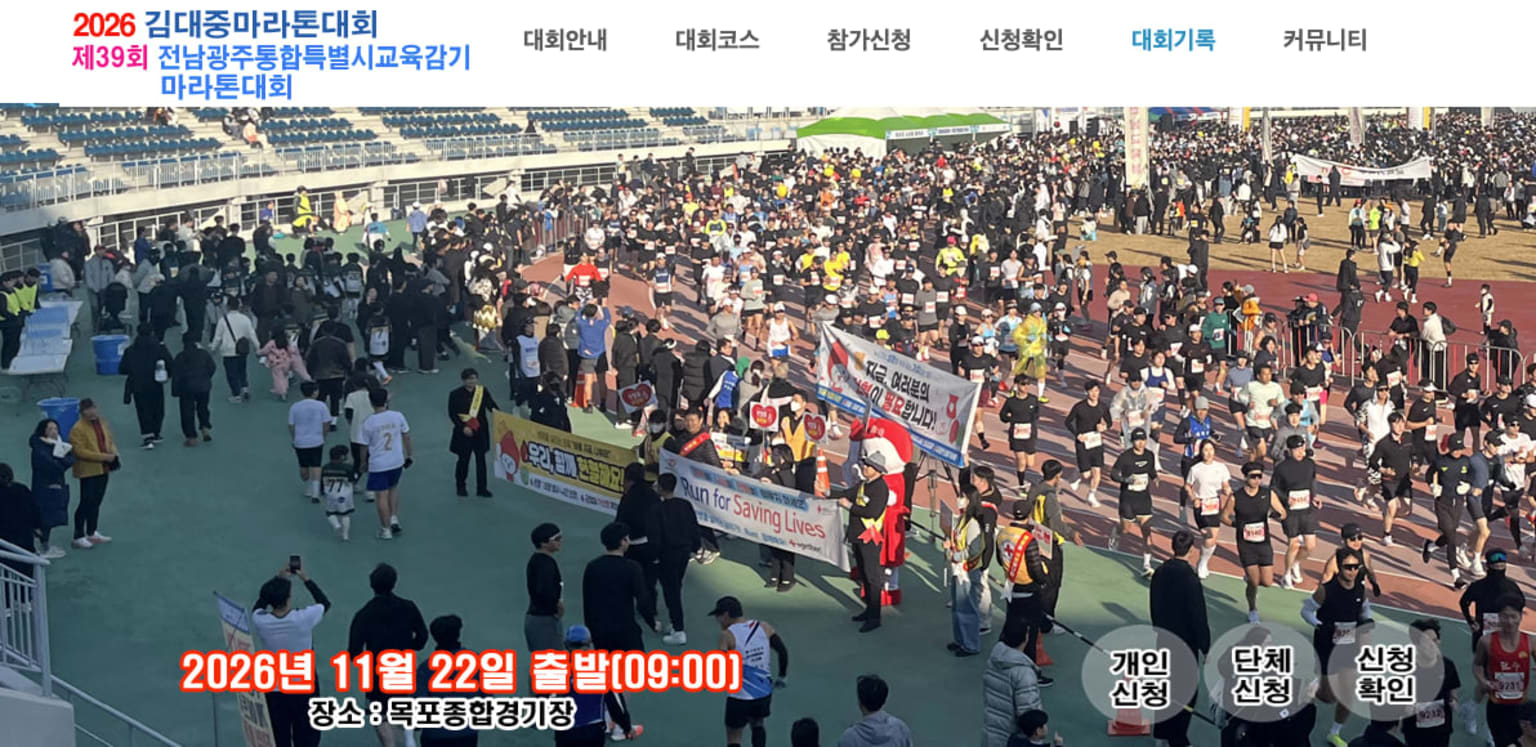
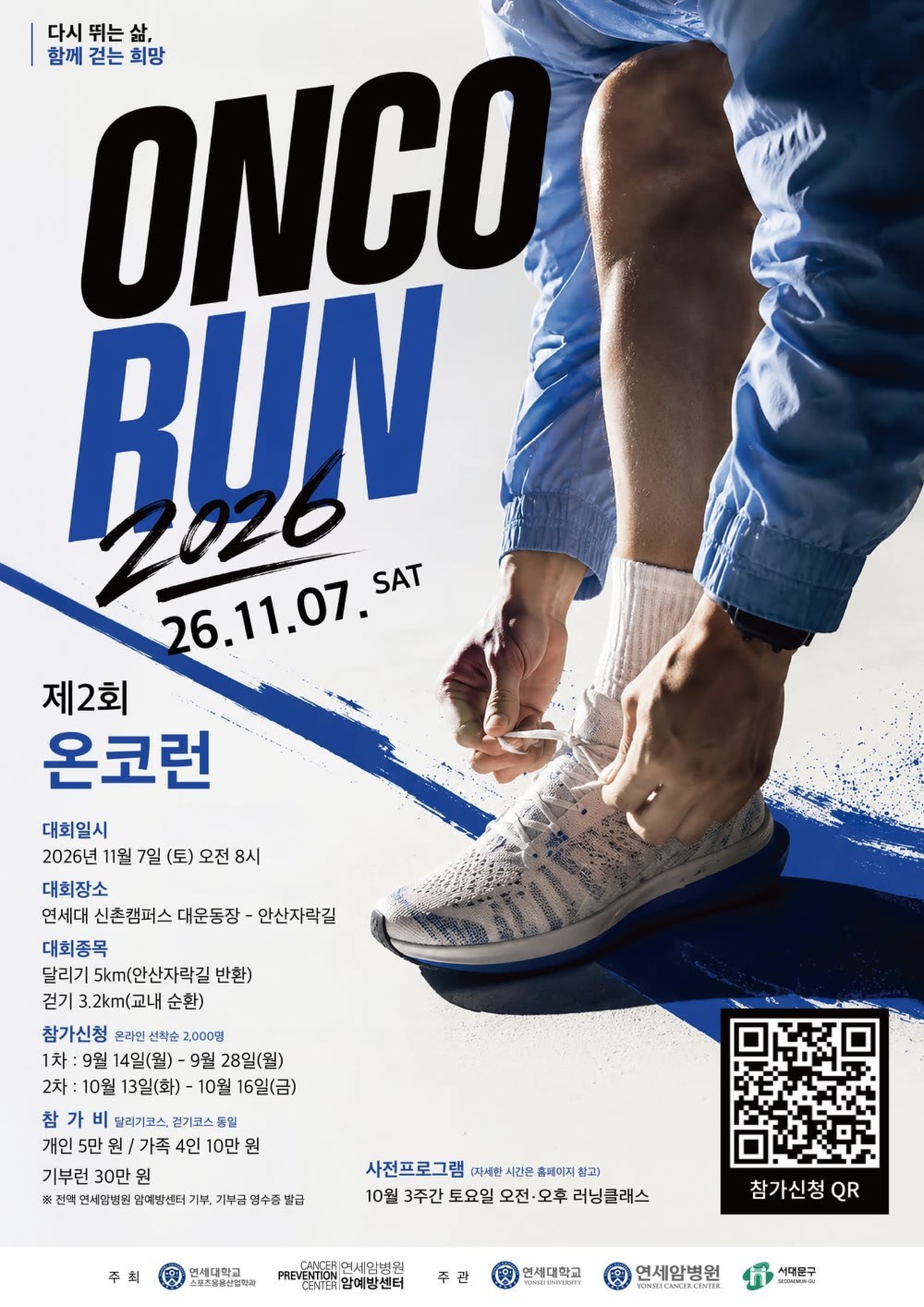
A marathon is more than a race—it's a commitment to yourself. If the thought of 42.195 km feels overwhelming, start smaller: a 5K or 10K is a perfectly meaningful goal. Running events happen across Korea every weekend at every distance level, so finding one that matches where you are right now is easier than you think.
The health benefits of running are well-documented. A 2019 meta-analysis published in the British Journal of Sports Medicine—covering nearly 230,000 participants—found that regular runners had a 30% lower risk of cardiovascular death and 27% lower all-cause mortality compared to non-runners. Running also stimulates the release of endorphins and serotonin, with multiple studies showing meaningful reductions in depression and anxiety symptoms. Simply put, running is one of the most accessible tools we have for improving both physical and mental well-being.
Before You Start: Pre-Training Checklist
The most important first step is an honest assessment of your current fitness level. If you've been largely sedentary, start by alternating walking and jogging—there's no shame in starting there, and it's actually the smart approach.
Work through this checklist before you begin:
- Health clearance: If you have a heart condition, joint problems, or any chronic illness, consult your doctor before starting a running program.
- Baseline fitness: Can you walk for 5 minutes without stopping? Do you get winded climbing a flight of stairs? Know where you're starting from.
- Set a clear goal: Are you aiming to finish or to hit a time target? For your first race, make finishing the only goal. Chasing a time too early is one of the most common paths to injury.
- Carve out the time: Plan for at least 3 sessions per week, each 30–60 minutes long.
8-Week Base Training Plan
| Week | Mon · Wed · Fri | Saturday (Long Run) |
|---|---|---|
| 1–2 | Walk 5 min + Jog 3 min × 4 sets | 30-min brisk walk |
| 3–4 | Jog 10 min + Walk 2 min × 3 sets | 40-min run/walk |
| 5–6 | Continuous jog 20 min | Attempt a 5K |
| 7–8 | Continuous jog 30 min | Gradually extend distance |
The guiding principle here is progressive overload: never increase your total weekly mileage by more than 10% from one week to the next. Impatience is the leading cause of running injuries.
This "10% Rule" has long been recommended by sports medicine practitioners to prevent overuse injuries—shin splints, stress fractures, and IT band syndrome in particular. Research published in the Journal of Orthopaedic & Sports Physical Therapy found that injury rates among novice runners range from 37–56% annually, with the majority linked to training load spikes.
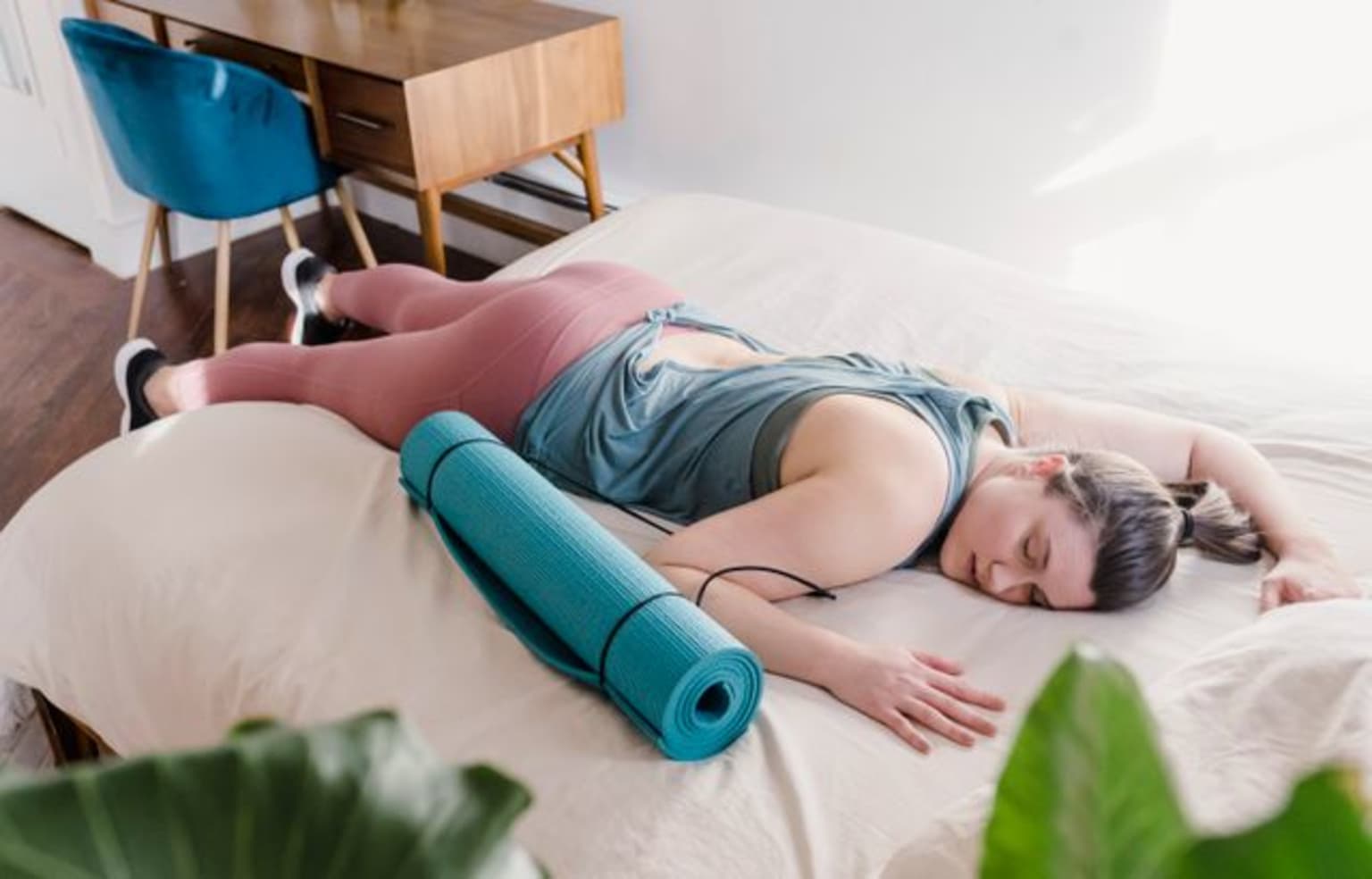
Rest days are not optional. Muscles don't grow during training—they grow during recovery. Quality sleep (7–9 hours) supports growth hormone release, drives muscular repair, and directly determines how well your next run will go.
If your goal moves beyond a first 10K toward the half or full marathon, long easy running becomes a core part of the plan. Before increasing your long-run distance, read our LSD training guide.
Choosing the Right Running Shoes
Your shoes are your most important piece of gear. While you can run in almost any shorts and a t-shirt, your footwear needs to match your individual biomechanics. Rather than shopping by brand or aesthetics, visit a specialty running store and ask for a gait analysis. This process—using cameras or pressure plates to observe how your foot strikes the ground—lets staff recommend shoes suited to your specific pronation pattern, arch height, and foot width.
Running shoes typically need replacing after 500–800 km. Even when the outer sole looks fine, the midsole foam compresses and loses its shock-absorbing properties, transferring more impact to your knees, ankles, and lower back. The easiest way to track this: add your shoes to a running app like Strava or Nike Run Club and monitor accumulated mileage.
Don't Overlook Running Socks
It's easy to skip this detail, but it matters. Cotton socks absorb moisture, get heavy, and create friction that leads to blisters—especially on longer runs. Look for running-specific socks made from synthetic fibers (polyester, nylon) or merino wool. These wick moisture away from your skin and reduce friction, keeping your feet comfortable mile after mile.
Running Form and Breathing
Proper form matters more than pace. Running with poor mechanics accumulates stress on your knees, lower back, and ankles over time, often leading to chronic injury.
Basic Running Form
- Gaze: Look 10–15 meters ahead. Looking down tightens the neck and shoulder muscles unnecessarily.
- Shoulders: Keep them low and relaxed, away from your ears. If you notice them creeping up during a run, consciously drop them back down.
- Arm swing: Bend your elbows at roughly 90 degrees and swing your arms forward and back—not across your body. Crossing the midline wastes energy.
- Foot strike: Landing on your midfoot (rather than your heel) generally reduces impact forces on your joints. Your knee should be slightly bent at the moment of contact to act as a natural shock absorber. That said, finding what works for your body is more important than copying any single technique.
- Cadence: The number of steps per minute. Elite runners typically maintain 170–180 steps per minute. Research suggests that increasing cadence shortens your stride, which reduces landing impact—though it's a guideline, not a rule. Listen to your body.
Breathing
A useful rhythm is the 2:2 pattern—inhale for 2 steps, exhale for 2 steps. But an even simpler guide: you should be able to hold a conversation while running. If you can talk in full sentences, you're in the aerobic zone—roughly 60–70% of max heart rate—which is the most effective intensity for building an aerobic base and ideal for beginners.
Injury Prevention and Stretching
A large proportion of running injuries stem from skipping or rushing warm-ups and cool-downs. This is especially true in cold weather, when your muscles and connective tissue are stiffer than usual.
Warm-Up (5–10 min before your run)
Skip static stretches before running—research shows they can temporarily reduce muscle power. Instead, use dynamic movements to raise muscle temperature and blood flow:
- High Knees: Drive your knees up toward your chest in place
- Leg Swings: Balance on one leg and swing the other forward and back with control
- Heel Kicks (Butt Kicks): Quickly kick your heels up toward your glutes as you jog in place
Cool-Down (5–10 min after your run)
After running, your muscles are warm and pliable—the ideal time for static stretching. Hold each stretch for 20–30 seconds:
- Calf stretch: Essential for preventing Achilles tendinitis and plantar fasciitis—two of the most common beginner injuries
- Hamstring stretch: Relieves tension in the back of the thigh and reduces knee pain
- IT band stretch: Helps prevent the lateral knee pain that often appears after longer runs
Nutrition and Hydration
Half of your performance is determined not by training, but by what you eat.
Carbohydrates: Your Primary Fuel
Glucose is the main energy source for both your muscles and your brain. For endurance running, glycogen stores are what determine how far and how fast you can go. Eating easily digestible carbohydrates 1–2 hours before a run (banana, oatmeal, wholegrain toast) tops off those stores.
For runs lasting longer than 90 minutes, you'll need to refuel mid-run: aim for a gel or sports drink every 30–45 minutes.
Hydration Guidelines
By the time you feel thirsty, mild dehydration has already begun. The American College of Sports Medicine recommends consuming 150–250 ml of fluid every 15–20 minutes during runs lasting more than 60 minutes. If you sweat heavily, alternate with a sports drink containing sodium to reduce the risk of hyponatremia—one of the most dangerous electrolyte imbalances in endurance sport.
Picking Your First Race
When searching for events on KorMarathon, use these criteria to find the right first race:
- Distance: Start at 5K or 10K
- Field size: Larger races often feature pacers, which are enormously helpful for beginners
- Season: Spring (March–May) and autumn (October–November) offer the best running conditions—temperatures around 10–15°C with low humidity
Your only goal for your first race is to finish. Enjoy every step of it.
2–3 Weeks Out: Tapering
In the two to three weeks before race day, begin tapering—gradually reducing your weekly training volume by 20–40%. This allows the fatigue accumulated from training to dissipate and lets your muscles and joints recover fully so you arrive at the start line fresh. Sports science research suggests that proper tapering alone can improve marathon performance by an average of 2–3%.
Race-Day Execution
- Eat 2–3 hours before the start: Keep it light and familiar—a banana, toast, or an energy bar. Race day is not the time to experiment with new foods.
- Nothing new on race day: Never wear new shoes or new clothing for the first time on race day. Blisters, chafing, and discomfort are the predictable results.
- Start slower than you feel: The adrenaline and crowd energy at the start line will make you want to sprint—resist it. Going out too fast in the first kilometer is the most common mistake beginners make, and you will pay for it in the second half.
- Pace management: Check your watch every kilometer to stay on target. The ideal strategy is a negative split—running the second half slightly faster than the first. The vast majority of personal bests are run this way.
- Mental game: When it gets hard, bring your focus to the immediate moment. Instead of thinking about how far you still have to go, aim for the next kilometer marker, the next aid station. Breaking the race into small segments dramatically reduces the psychological load.
Marathon running isn't about beating other people—it's about achieving the goal you set for yourself. The feeling of crossing that first finish line is something you'll never forget.
Ready to find your first race? Browse currently open marathon registrations in Korea.